Nutrient-Rich Foods for Daily Wellness
Explore the essential vitamins, minerals, and wholesome ingredients that support energy and overall dietary balance in men's daily routines.
Learn MoreIntroduction to Nutrient-Rich Foods
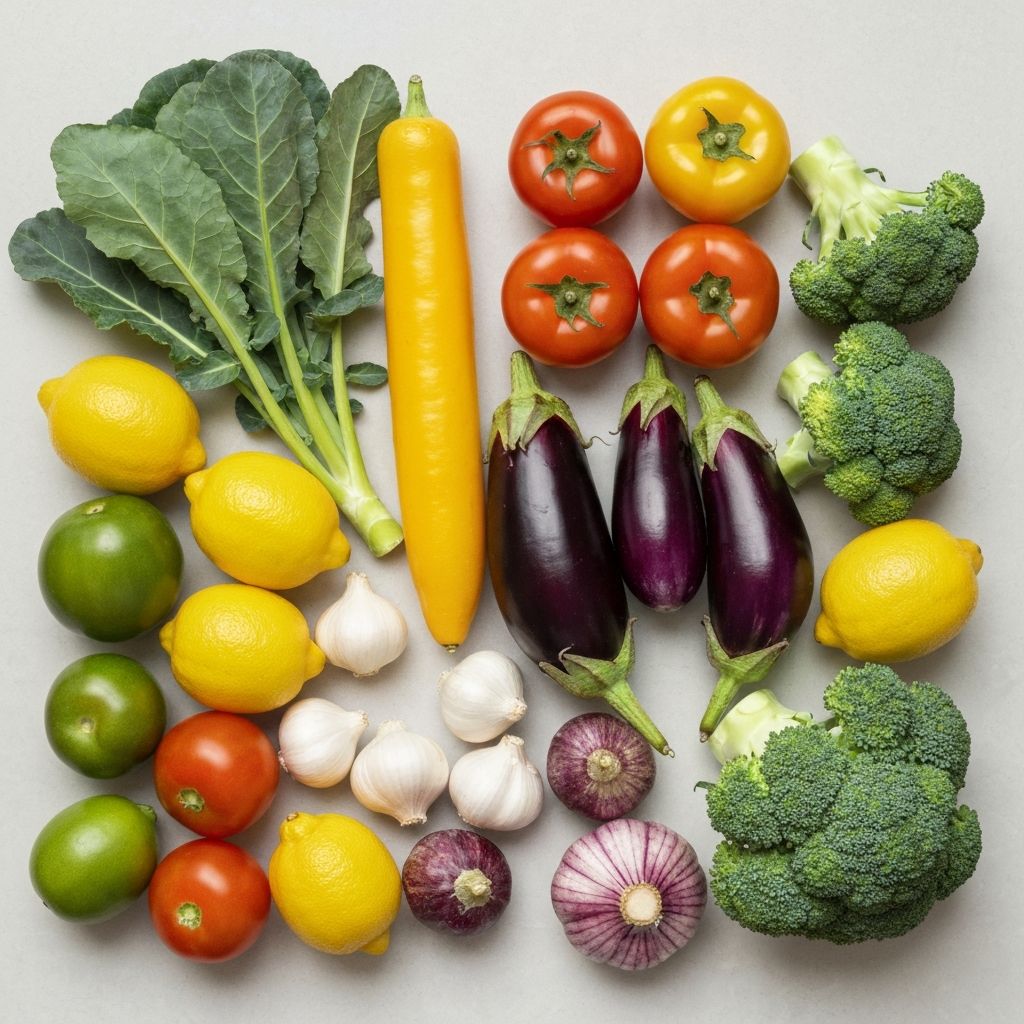
Nutrient-rich foods form the foundation of a balanced diet, providing essential vitamins, minerals, and other compounds that support bodily functions. These foods include vegetables, fruits, whole grains, nuts, seeds, and legumes, each offering unique nutritional profiles.
Understanding the role of these foods in daily nutrition helps individuals make informed dietary choices. This educational resource explores how various food groups contribute to energy levels, physical activity, and overall wellness without providing individual recommendations or medical advice.
Vitamins Overview
Vitamin A
Found in orange and yellow vegetables like carrots and sweet potatoes, as well as leafy greens. Plays a role in vision and immune function.
Vitamin C
Present in citrus fruits, berries, and peppers. Acts as an antioxidant and supports collagen formation and immune health.
B Vitamins
Found in whole grains, legumes, and nuts. B vitamins are involved in energy metabolism and nervous system function.
Vitamin D
Obtained from sunlight exposure and certain foods like fatty fish. Supports bone health and immune function.
Vitamin E
Found in nuts, seeds, and vegetable oils. Acts as an antioxidant protecting cells from oxidative stress.
Vitamin K
Present in green leafy vegetables. Important for blood clotting and bone metabolism.
Minerals Overview
- Calcium: Found in dairy products, leafy greens, and fortified foods. Essential for bone health and muscle function.
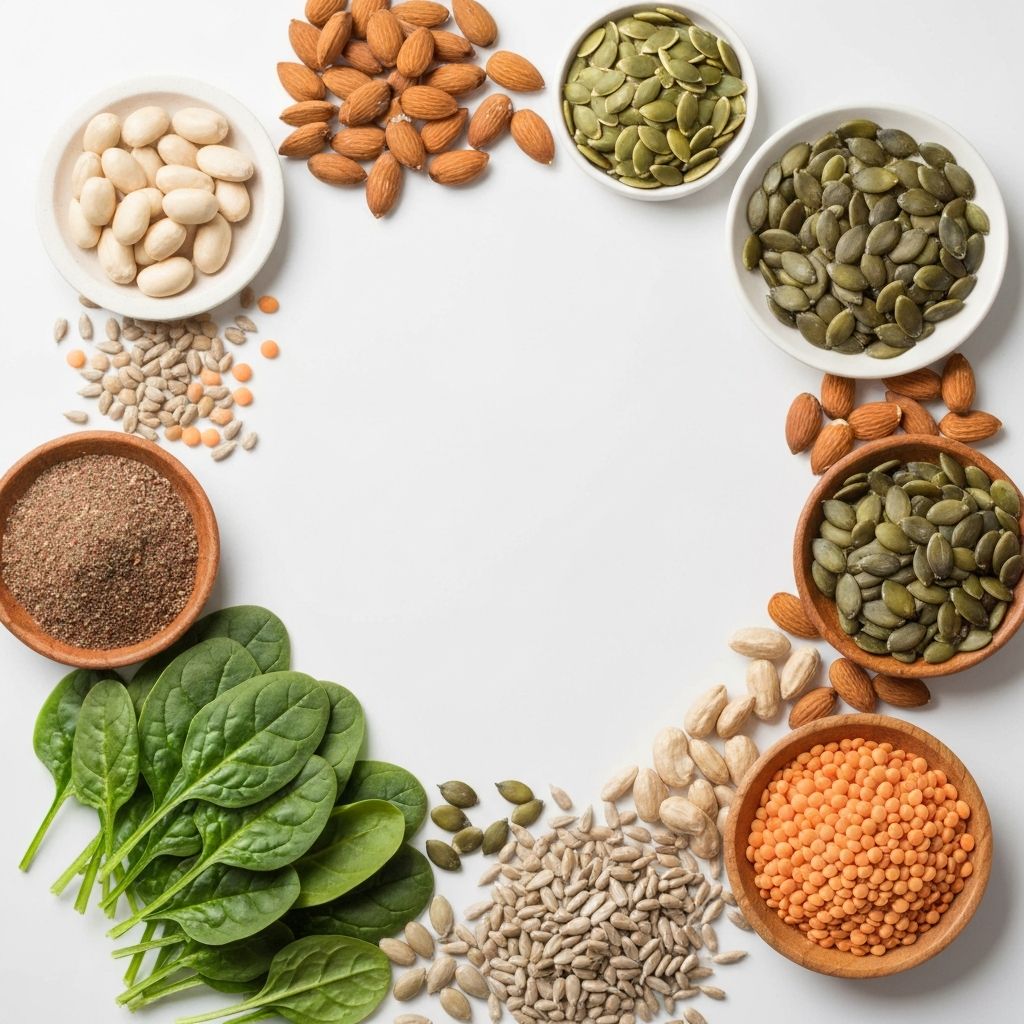
- Iron: Present in legumes, nuts, seeds, and leafy vegetables. Supports oxygen transport in the blood.
- Magnesium: Found in whole grains, nuts, and leafy greens. Involved in over 300 enzymatic reactions in the body.
- Zinc: Present in legumes, seeds, and whole grains. Plays a role in immune function and protein synthesis.
- Potassium: Found in bananas, potatoes, and leafy vegetables. Important for blood pressure regulation and muscle function.
- Selenium: Present in Brazil nuts, grains, and certain vegetables. Functions as an antioxidant.
Daily Intake Patterns
Balanced Plate Concept
A balanced plate typically includes a variety of food groups: vegetables occupying half the plate, whole grains taking up a quarter, and protein sources filling the remaining quarter, with fruits as sides or desserts.
This pattern is widely recognized in nutritional education as a way to visualize balanced meals without strict measurements.
Meal Timing and Frequency
Different cultures and lifestyles approach meal timing differently. Some individuals prefer three main meals, while others find that smaller, more frequent meals work better for their routines.
There is no universal approach, and dietary patterns vary based on personal preferences, work schedules, and cultural backgrounds.
Food Categories and Examples

Vegetables and Leafy Greens
Spinach, kale, broccoli, carrots, peppers, and tomatoes provide fiber, vitamins, and minerals while being low in calories.
Whole Grains and Seeds
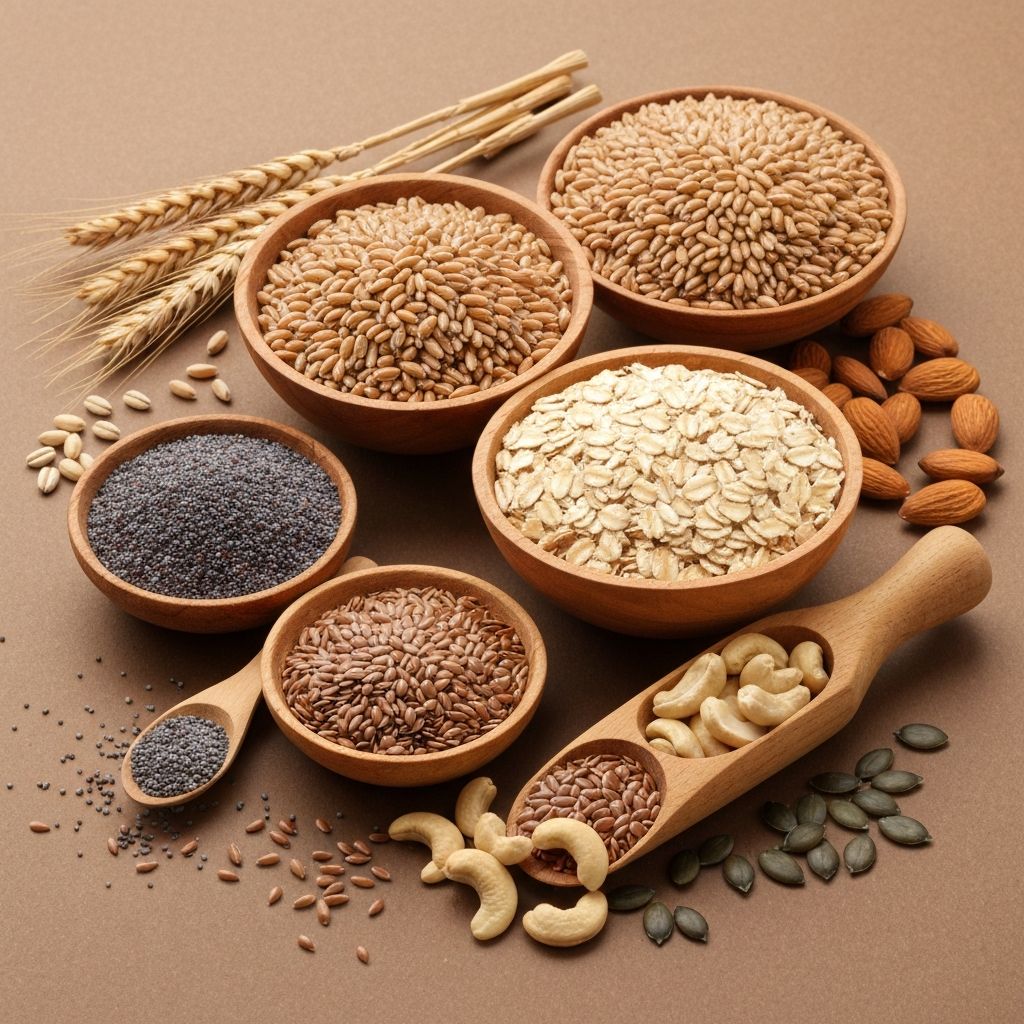
Oats, quinoa, brown rice, chia seeds, and flaxseeds offer complex carbohydrates, fiber, and essential fatty acids.

Fruits and Berries
Blueberries, strawberries, oranges, apples, and bananas provide natural sugars, fiber, vitamins, and antioxidants.
Legumes and Beans
Lentils, chickpeas, black beans, and kidney beans are excellent sources of plant-based protein, fiber, and various minerals including iron and zinc.
Nuts and Seeds
Almonds, walnuts, pumpkin seeds, and sunflower seeds provide healthy fats, protein, and micronutrients that support overall nutritional balance.
Featured Nutrient-Dense Foods
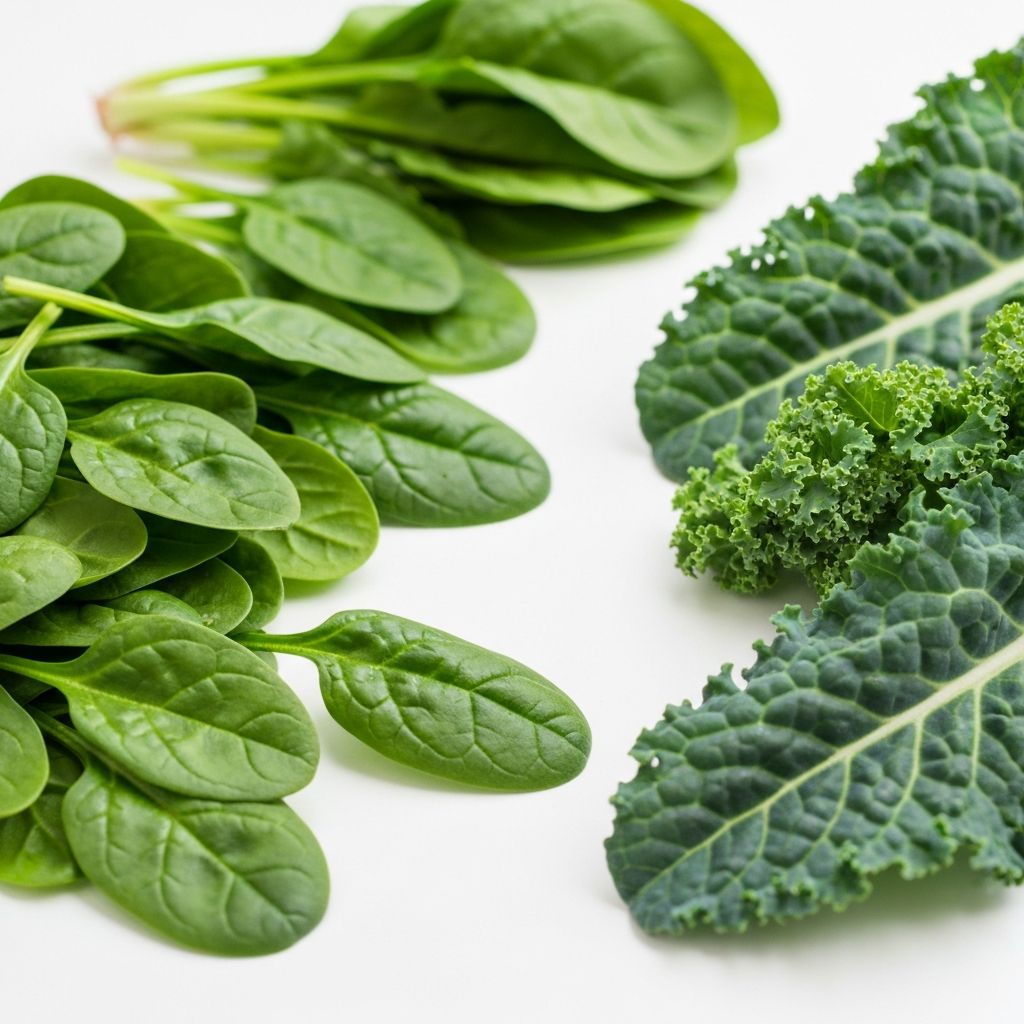
Leafy Greens
Spinach, kale, and Swiss chard are among the most nutrient-dense foods available, packed with vitamins A, C, K, and minerals like iron and calcium.
Read More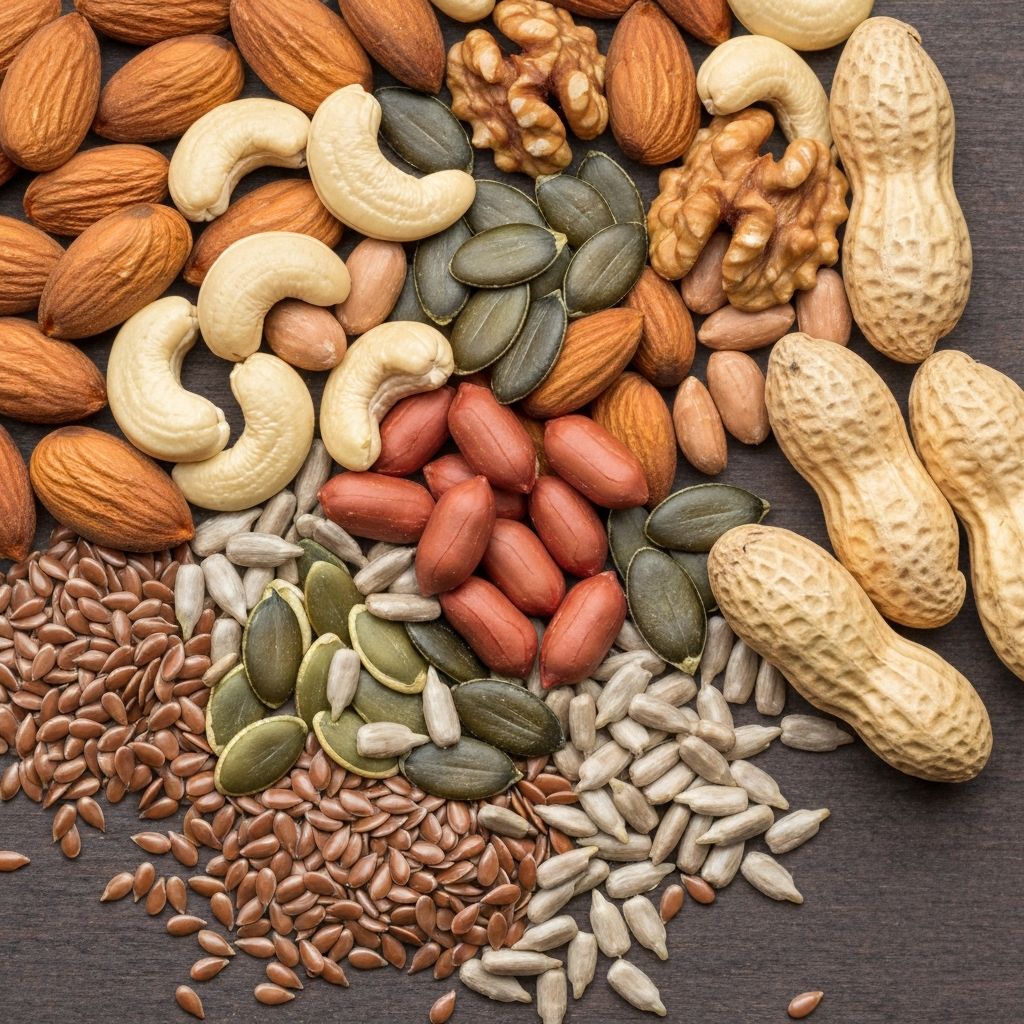
Nuts and Seeds
Rich in healthy fats, protein, and various micronutrients, nuts and seeds like almonds, walnuts, and chia seeds contribute to a balanced nutritional profile.
Read More
Berries
Blueberries, strawberries, and raspberries are rich in antioxidants, vitamin C, and fiber, making them valuable additions to daily nutrition.
Read MoreLifestyle Integration
Physical Activity and Nutrition
Regular physical activity and balanced nutrition work together to support overall wellness. Active individuals may have different nutritional needs compared to those with sedentary lifestyles.
The timing and composition of meals around physical activity can vary widely based on individual preferences and the type of activity performed.
Hydration
Water is essential for all bodily functions. Adequate hydration supports digestion, nutrient transport, temperature regulation, and overall physical performance.
Individual hydration needs vary based on activity levels, climate, and personal factors.
Science-Backed Insights

Nutritional science continues to evolve, with ongoing research exploring the relationships between dietary patterns and various aspects of health. Studies have consistently shown that diets rich in whole foods, particularly vegetables, fruits, whole grains, and legumes, are associated with better health outcomes.
The concept of nutrient density, which refers to the amount of beneficial nutrients relative to caloric content, helps guide food choices. Nutrient-dense foods provide more vitamins, minerals, and other beneficial compounds per calorie.
It is important to note that individual nutritional needs vary based on age, activity level, health status, and other factors. This resource provides general educational information and does not replace personalized guidance from qualified professionals.
Common Misconceptions
All Fats Are Unhealthy
This is incorrect. Unsaturated fats found in nuts, seeds, avocados, and olive oil are important components of a balanced diet and support various bodily functions.
Carbohydrates Should Be Avoided
Carbohydrates are a primary energy source. Complex carbohydrates from whole grains, vegetables, and fruits provide sustained energy and essential nutrients.
Supplements Can Replace Whole Foods
While supplements may have a role in certain situations, they cannot replicate the complex combination of nutrients and compounds found in whole foods.
One Diet Fits All
Individual nutritional needs vary significantly. What works well for one person may not be suitable for another due to differences in metabolism, lifestyle, and health status.
Nutritional Information
Understanding basic nutritional information helps individuals make informed food choices. Key aspects include:
- Macronutrients: proteins, carbohydrates, and fats that provide energy and support bodily functions
- Micronutrients: vitamins and minerals needed in smaller amounts but essential for health
- Fiber: important for digestive health and found in plant-based foods
- Antioxidants: compounds that protect cells from oxidative damage
- Phytonutrients: plant compounds with various beneficial properties
Educational Context and Limitations
This website provides general educational information about nutrient-rich foods and their roles in daily nutrition. The content is intended for informational purposes only and does not constitute individual nutritional advice, medical guidance, or professional recommendations.
Nutritional needs vary significantly among individuals based on numerous factors including age, health status, activity levels, and personal circumstances. The information presented here describes general nutritional concepts and should not be interpreted as personalized advice.
For specific dietary guidance, personalized meal planning, or advice related to health conditions, individuals should consult with qualified healthcare professionals or registered dietitians who can assess their unique situations.
This resource does not promise, guarantee, or suggest any specific health outcomes. It simply explains nutritional concepts and the roles various foods play in human nutrition.
Continue Your Learning
Explore more about nutrient-rich foods and their role in daily wellness. This educational resource is regularly updated with new information about nutrition science and dietary patterns.
Learn More About NutriMenAdditional Resources

For those interested in learning more about nutrition and healthy eating patterns, numerous reputable sources provide evidence-based information:
- Government health departments often publish dietary guidelines based on current scientific evidence
- Academic institutions conduct ongoing research into nutrition and health
- Professional organizations for dietitians and nutritionists offer educational materials
- Peer-reviewed scientific journals publish studies on nutrition and dietary patterns
This website serves as an introduction to these concepts and encourages further exploration of nutritional science through credible sources.